
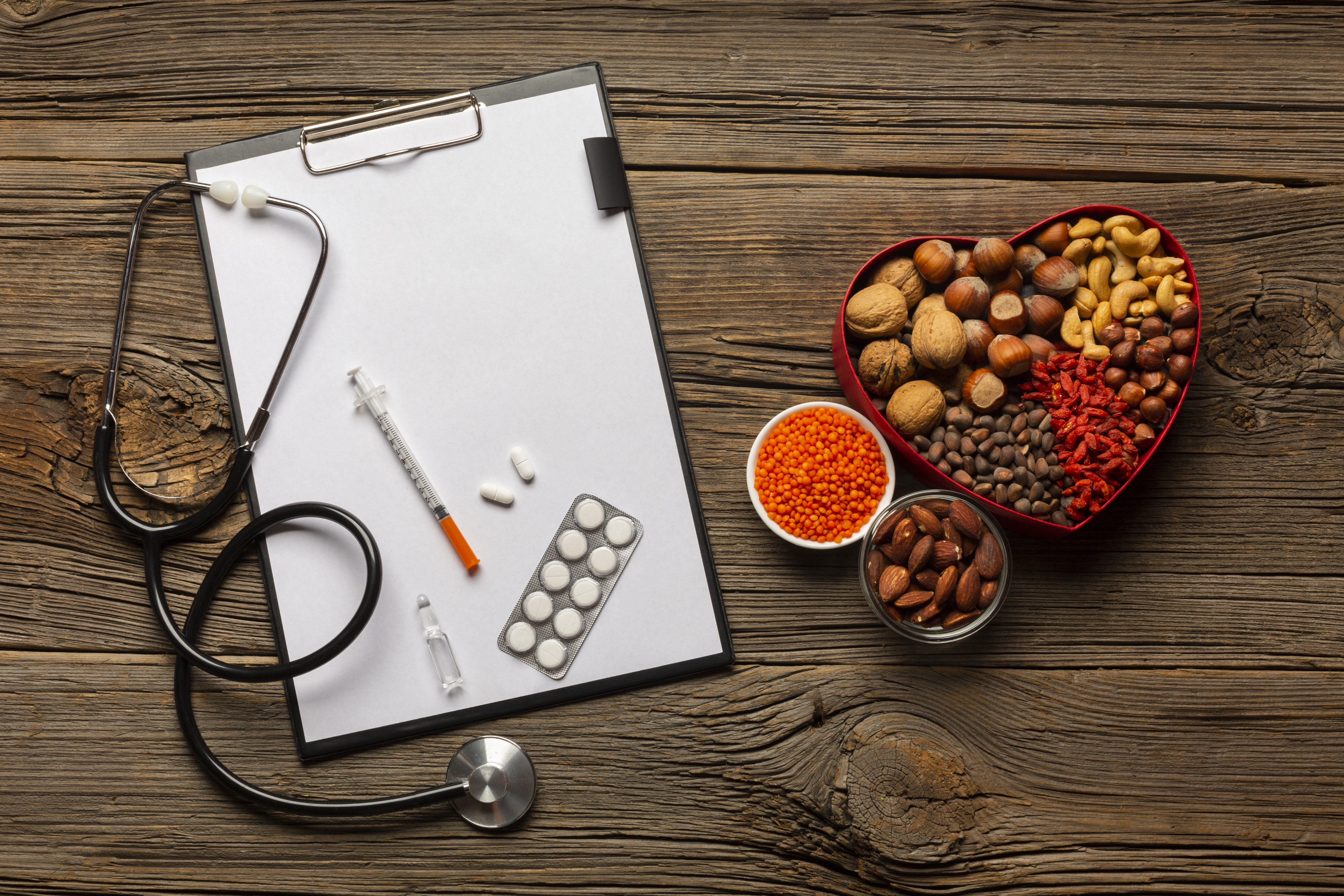
What Foods Should Cancer Patients Avoid During Treatment
When facing cancer treatment, one of the most common and important questions patients ask is: What foods should cancer patients avoid during treatment? Nutrition plays a crucial role in how the body responds to therapies like chemotherapy, radiation, and surgery. While the right foods can support healing, improve strength, and reduce side effects, the wrong choices can interfere with recovery, weaken immunity, and worsen discomfort.
Understanding what foods should cancer patients avoid during treatment is essential not just for maintaining energy levels but also for preventing complications like infections, digestive issues, and inflammation. At a time when the body is already under stress, dietary choices become a critical part of overall care.
Why Diet Matters During Cancer Treatment
Cancer treatment can affect the body in multiple ways:
- Reduced appetite
- Nausea and vomiting
- Changes in taste and smell
- Weakened immune system
- Digestive discomfort
A well-balanced diet helps:
- Maintain body strength
- Support immune function
- Improve treatment tolerance
- Reduce risk of infections
However, certain foods can do the opposite. That is why understanding what foods should cancer patients avoid during treatment becomes a key part of recovery planning.
What Foods Should Cancer Patients Avoid During Treatment
1. Processed and Packaged Foods
Highly processed foods often contain preservatives, excess salt, unhealthy fats, and additives.
Avoid:
- Fast food
- Packaged snacks
- Frozen ready meals
Why avoid them:
- Increase inflammation
- Provide low nutritional value
- Can worsen fatigue and weakness
2. Sugary Foods and Drinks
Excess sugar can negatively impact overall health during treatment.
Avoid:
- Sweets, candies, pastries
- Sugary beverages like sodas and packaged juices
Why avoid them:
- Cause blood sugar spikes
- May increase inflammation
- Offer no essential nutrients
3. Fried and High-Fat Foods
Foods high in unhealthy fats can be difficult to digest and may worsen symptoms.
Avoid:
- Deep-fried foods
- Processed meats like sausages and bacon
Why avoid them:
- Increase digestive discomfort
- Contribute to inflammation
- May cause nausea
4. Raw or Undercooked Foods
During cancer treatment, immunity is often weakened, increasing infection risk.
Avoid:
- Raw meat and fish
- Raw eggs
- Unpasteurized dairy products
Why avoid them:
- High risk of bacterial infections
- Can lead to serious complications
5. Alcohol
Alcohol should be strictly limited or avoided during treatment.
Why avoid it:
- Interferes with medications
- Weakens immune response
- Causes dehydration
6. Caffeinated Beverages
Excess caffeine can affect hydration and sleep.
Avoid:
- Coffee in excess
- Energy drinks
- Caffeinated sodas
Why avoid them:
- Can worsen dehydration
- May increase anxiety and sleep disturbances
7. Highly Salty Foods
Too much sodium can affect fluid balance and overall health.
Avoid:
- Chips and salted snacks
- Canned foods with high sodium
Why avoid them:
- Can cause bloating
- May increase blood pressure
- Lead to fluid retention
8. Spicy and Irritating Foods
Spicy foods can worsen gastrointestinal symptoms.
Avoid:
- Hot peppers
- Strong spices
Why avoid them:
- Trigger acid reflux
- Irritate mouth sores
- Worsen nausea
Foods That May Cause Individual Sensitivity
Every patient reacts differently during treatment. Some may experience discomfort with:
- Dairy products
- Strong-smelling foods
- Oily meals
It is important to observe how your body responds and adjust your diet accordingly.
How to Manage Eating Difficulties During Treatment
Even when avoiding certain foods, maintaining proper nutrition can be challenging. Here are practical strategies:
- Eat small, frequent meals
- Choose soft and easy-to-digest foods
- Stay well hydrated
- Include protein-rich foods for recovery
- Avoid strong odors if experiencing nausea
- Seek guidance from a healthcare professional
A personalized diet plan can make a significant difference in treatment tolerance and recovery.
When to Seek Medical Guidance
If you experience:
- Severe loss of appetite
- Rapid weight loss
- Persistent vomiting
- Difficulty swallowing
It is important to consult a healthcare provider immediately. Proper nutritional support is a critical part of cancer care.
Conclusion
Understanding what foods should cancer patients avoid during treatment is essential for improving treatment outcomes and maintaining overall well-being. Avoiding processed foods, sugar, alcohol, raw foods, and unhealthy fats can help reduce complications and support recovery.
Cancer care is not just about treatment-it is about comprehensive support, including nutrition, monitoring, and personalized guidance. At Prudence Hospitals, patients receive holistic care with a focus on safe treatment practices, patient education, and recovery support. With the right dietary choices and expert guidance, patients can better manage side effects and improve their quality of life during treatment.